
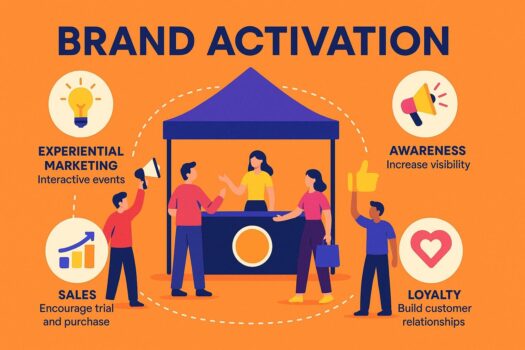
In the modern business landscape, building a strong brand identity is no longer enough to win customer loyalty. Companies today must go a step further by engaging directly with consumers and creating memorable experiences that foster emotional connections. This is where the concept of brand activation comes into play. Unlike traditional marketing campaigns that focus on awareness or visibility, brand activation emphasizes interaction, involvement, and engagement. It transforms a brand from being just a logo or a tagline into something people can connect with on a personal level. At its core, brand activation is the process of bringing a brand to life through meaningful experiences. It is designed to generate consumer action, whether that action is trying a new product, signing up for a service, sharing their experience on social media, or simply feeling more attached to the brand. The ultimate goal is to turn passive audiences into active participants, ensuring that customers not only recognize a brand but also remember and engage with it.
One of the most exciting ways to engage your audience is through live printing as a brand activation activity. Imagine your customers watching their personalized T-shirt, tote bag, or merchandise being printed in front of them within minutes. This not only creates a fun, interactive experience but also ensures they walk away with a unique keepsake that keeps your brand fresh in their minds. Live printing turns a simple promotional item into an unforgettable memory, blending creativity, excitement, and brand visibility in the most powerful way.
The Essence of Brand Activation
The term “activation” itself suggests a process of sparking or igniting something. In marketing, brand activation is about igniting a consumer’s interest and encouraging them to interact directly with a brand. While advertising may tell consumers what a brand is about, activation shows them. It often involves experiential marketing, live events, product demonstrations, sampling, digital campaigns, and other interactive activities that allow people to engage with the brand in real time. This creates a tangible association that builds trust and drives loyalty. The effectiveness of brand activation lies in its ability to connect with emotions. When people experience a brand firsthand, they form deeper memories compared to simply watching an advertisement. This emotional connection is powerful, as it leads to stronger recall, positive brand perception, and a higher likelihood of repeat purchase.
The Key Objectives of Brand Activation
The primary purpose of brand activation is to make a brand more visible, relevant, and loved by its target audience. However, within this broad purpose, several objectives stand out. One of the most important is to create awareness in a crowded market where consumers are constantly bombarded with options. By activating the brand, companies ensure that their message cuts through the noise and stands out in the minds of customers. Another objective is to build loyalty by reinforcing why customers should stick with the brand over competitors. Additionally, brand activation campaigns often aim to drive sales by encouraging people to try out products immediately, leading to instant conversions. Finally, activation helps build long-term relationships by making customers feel like part of the brand’s journey, which fosters a sense of community and belonging.
Types of Brand Activation
While the approach to activation varies across industries, there are several common methods companies use. Experiential marketing is one of the most popular forms, where brands organize interactive events such as pop-up stores, live demonstrations, or immersive experiences that allow people to touch, feel, and interact with products. Sampling campaigns are another form, where consumers are given free trials or samples, making it easier for them to try the product risk-free and develop trust. In-store activations also play an important role, where brands create engaging displays, run contests, or host mini-events in retail spaces to capture customer attention.
With the growth of digital platforms, online brand activations have become just as crucial. Social media challenges, influencer collaborations, interactive contests, and gamified campaigns all fall under this category. Digital activations often have the added benefit of going viral, spreading awareness quickly and organically. Sponsorship activations are also common, where brands associate themselves with events such as music festivals, sports tournaments, or cultural gatherings to tap into the emotions of participants and align themselves with experiences that matter to their audience.
Why Brand Activation Matters
In a world where consumers are constantly overwhelmed with advertising messages, simply telling people about a product is no longer sufficient. They want to experience the brand for themselves and build a personal connection before they decide to commit. Brand activation creates that opportunity by turning abstract marketing messages into real experiences. It allows companies to showcase their values, creativity, and customer-centric approach in a way that resonates more deeply with audiences. Moreover, brand activation is a powerful tool for differentiation. Many products in the market are similar in features and pricing, but what sets a brand apart is the way it makes people feel. When customers have a memorable experience with a brand, they are more likely to associate it with positivity and remain loyal in the long run. Activations also generate valuable word-of-mouth marketing, as people who participate often share their experiences with friends or on social media, extending the brand’s reach beyond the immediate audience.
Measuring the Impact of Brand Activation
For brand activation to be successful, it must deliver measurable results. Companies often track metrics such as increased sales, social media engagement, customer feedback, and event participation to gauge the effectiveness of their campaigns. Surveys, digital tracking tools, and post-activation reports help brands understand whether the activation led to stronger brand awareness and loyalty. Unlike traditional advertising that can sometimes be difficult to measure, brand activation provides more direct insights into consumer behavior since it focuses on immediate action.
Challenges in Brand Activation
While brand activation is highly effective, it also comes with challenges. One major hurdle is cost, as experiential events and campaigns often require significant investment in planning, logistics, and promotion. Another challenge is scalability, as not all activations can reach a wide audience at once, especially if they are location-specific events. Additionally, poorly executed activations can backfire, leading to negative publicity or consumer disappointment. Therefore, careful planning, creativity, and a strong understanding of the target audience are essential for success.
The Future of Brand Activation
As consumer behavior continues to evolve, brand activation is expected to become even more innovative and technology-driven. Virtual reality, augmented reality, and artificial intelligence are opening up new possibilities for interactive experiences that can reach global audiences digitally. Brands are also increasingly focusing on purpose-driven activations, aligning their campaigns with social and environmental causes to appeal to the values of modern consumers. The future of activation lies in personalization, where campaigns are tailored to the specific needs, preferences, and lifestyles of individual customers, making them feel truly seen and valued.
Brand activation is more than just a marketing strategy; it is a way of breathing life into a brand and building genuine connections with consumers. By creating memorable experiences, encouraging interaction, and fostering emotional engagement, activation transforms ordinary brands into meaningful parts of people’s lives. In today’s competitive market, where attention is fleeting and choices are endless, brand activation offers companies the opportunity to not only stand out but also to be remembered and cherished. As businesses continue to innovate and adapt, brand activation will remain a cornerstone of effective marketing, shaping the way consumers connect with the brands they love.

